Our History
Founded in 1997, the Ethiopian Community Association of Tampa Bay has been a cornerstone of support and cultural preservation for Ethiopian families in the Tampa Bay area. Over the decades, we have grown from a small gathering of families to a thriving community organization serving hundreds of members.
📄 Read Full History (PDF)Our Mission
To unite, empower, and serve Ethiopians in Tampa Bay through social, educational, and cultural programs.
Our Vision
A strong and united community preserving Ethiopian heritage while empowering future generations.
Our Core Values
Unity
አንድነት
Respect
ክብር
Education
ትምህርት
Inclusion
ሁሉን አቀፍ
Accountability
ተጠያቂነት
Board of Directors
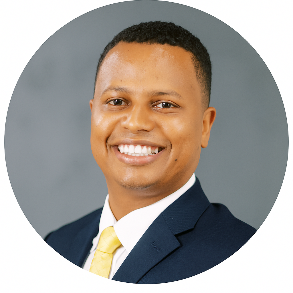
Bobby Daniel
President
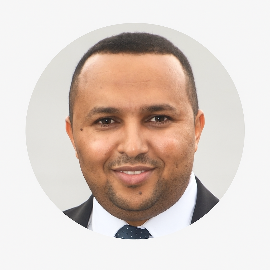
Dr. Tadesse Zerihun
Vice President

Lydia Grant
Secretary
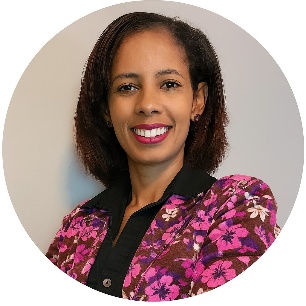
Yanet Bekele
Treasurer
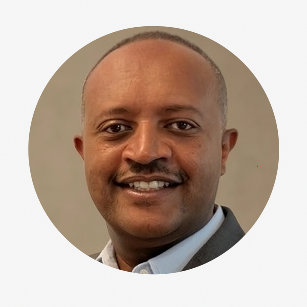
Behailu Melaku
Board Member
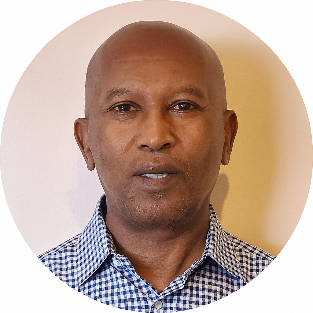
Solomon Egzi
Board Member
Meet our dedicated leadership team
Bylaws
Organizational Governance and Operating Procedures
The Ethiopian Community Association of Tampa Bay operates under these bylaws to ensure transparent, democratic governance and effective service to our community. These bylaws establish the framework for organizational structure, decision-making processes, and member participation.
The Ethiopian Community Association of Tampa Bay (ECAT) is governed by a Board of Directors elected by the general membership. Our governance structure ensures democratic decision-making, transparency, and accountability in all organizational activities. The Board operates under these bylaws to serve the best interests of our community while maintaining compliance with federal and state regulations for non-profit organizations. All major decisions require board approval and member input is actively sought through regular meetings and communication channels.
All members in good standing have the right to vote in elections, participate in general meetings, access community services, and run for board positions. Members are responsible for paying annual dues, upholding community values, participating actively in organizational activities, and supporting the association's mission. Membership is open to all individuals of Ethiopian heritage or those with strong ties to the Ethiopian community, regardless of religion, ethnicity, or political affiliation. Members must conduct themselves in accordance with our code of conduct and community standards.
The Board of Directors consists of elected officers including President, Vice President, Secretary, Treasurer, and additional board members. The President leads the organization and chairs board meetings. The Vice President assists the President and assumes duties in their absence. The Secretary maintains records, takes meeting minutes, and manages official correspondence. The Treasurer oversees financial operations, manages accounts, and provides regular financial reports. Board members serve two-year terms and may be re-elected. The Board meets monthly and maintains quorum requirements for valid decision-making.
Elections for Board positions are held every two years during the general community election. All members in good standing are eligible to vote and run for office. Nominations are accepted from the community, and candidates must accept their nomination. Voting is conducted online by secret ballot to ensure privacy and fairness. A simple majority is required for election. In the case of a tie, a runoff election is held between the tied candidates. The newly elected Board takes office immediately following the election. Special elections may be called to fill vacancies that occur between regular elections.
ECAT maintains strict financial controls and transparency. The Treasurer provides monthly financial reports to the Board and annual reports to the general membership. All expenditures over $500 require Board approval. Annual budgets are presented to members for review and approval. The organization maintains proper accounting records and undergoes annual financial reviews. Financial statements are available to members upon request. All donations and grants are properly documented and acknowledged. The organization maintains separate accounts for operational funds and special projects. No board member may receive compensation except for documented expenses related to organizational activities.
Board members and officers must disclose any potential conflicts of interest related to organizational decisions. No member may participate in decisions where they have a personal financial interest. All contracts and transactions involving board members must be disclosed to the full Board and approved by disinterested members. Board members must prioritize the organization's interests over personal interests. Family members of board members must follow the same conflict of interest guidelines when doing business with the organization. Any violation of conflict of interest policies may result in removal from the Board. The organization maintains a conflict of interest disclosure form that must be completed annually by all board members.